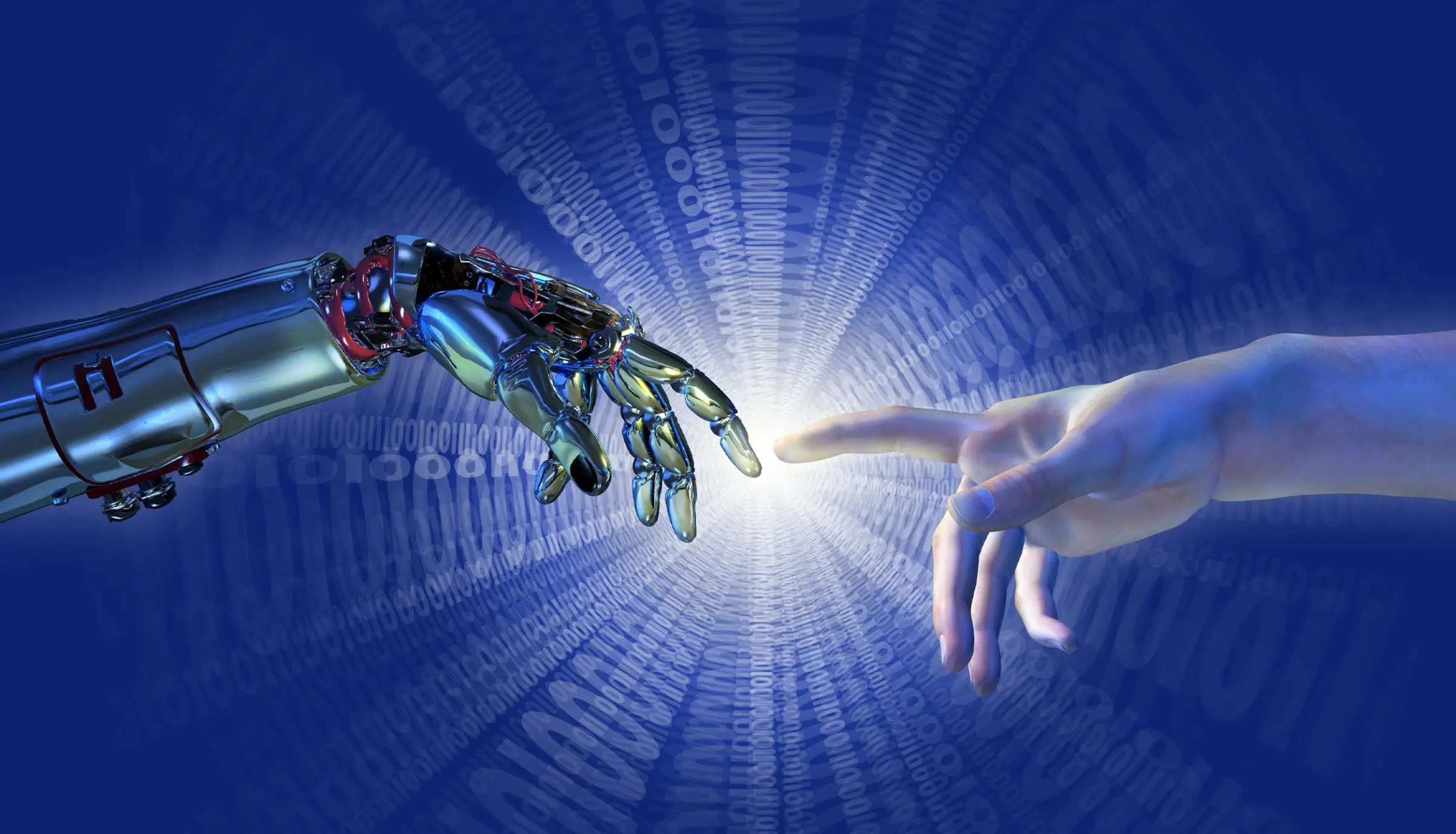
Exploring the Impact of Artificial Intelligence on Future Workforces
The advent of Artificial Intelligence (AI) is shaping the future of workforces across various industries. As businesses integrate AI into their operations, they are experiencing a significant transformation in workforce dynamics. For instance, AI technologies enhance productivity by automating repetitive tasks, thereby allowing employees to focus on more complex and creative endeavors. Companies adopting AI-driven analytics can also make data-informed decisions faster, leading to improved efficiency and a competitive edge. This shift in tasks is not just minimizing human labor; it's transforming job roles, requiring a stronger emphasis on skills like critical thinking, emotional intelligence, and advanced technological literacy.
Furthermore, the integration of AI in workplace environments raises critical questions about job displacement and the future of employment. While some fear that increased automation may lead to job losses, others argue that it paves the way for new job opportunities in sectors such as AI development, maintenance, and supervision. According to recent studies, approximately 58% of jobs may be supplemented rather than eliminated, creating a need for reskilling and continuous education. Emphasizing adaptability and lifelong learning will be crucial for workers navigating the evolving job landscape, ensuring they remain relevant in an AI-centric workforce.
Counter-Strike is a highly popular first-person shooter game that pits teams against each other in various scenarios, such as bomb defusal and hostage rescue. Players must strategize and work together to achieve objectives, leading to intense gameplay and teamwork. For gamers looking to enhance their experience, check out the Top 10 apple vision pro accessories that can elevate your setup with innovative gadgets.
The Role of Quantum Computing in Revolutionizing Technology
The advent of quantum computing is poised to revolutionize technology as we know it. By leveraging the principles of quantum mechanics, these advanced computational systems can perform complex calculations at unprecedented speeds. For instance, while traditional computers might take years to process certain algorithms, quantum computers can potentially solve them in a matter of minutes or seconds. This capability has profound implications for fields such as cryptography, where quantum algorithms could break current encryption methods, prompting a complete overhaul of digital security practices.
Moreover, the integration of quantum computing into technology could drive significant advancements in various sectors, including medicine, finance, and artificial intelligence. In medicine, quantum computers might enable the simulation of molecular interactions, paving the way for breakthroughs in drug discovery. In finance, they could optimize trading strategies by analyzing vast amounts of market data instantly. As researchers continue to unlock the full potential of quantum technology, businesses and governments alike must prepare for a future where quantum computing becomes a cornerstone of innovation and efficiency.
How 5G and IoT Will Transform Everyday Life
The advent of 5G technology is set to revolutionize our daily lives, particularly through its synergy with the Internet of Things (IoT). With faster speeds and lower latency, 5G allows a vast array of devices to connect and communicate in real-time. This means that household appliances, smart wearables, and even vehicles can share data seamlessly, leading to enhanced automation and convenience. For instance, imagine a morning where your coffee maker begins brewing as soon as your alarm goes off, or your smart thermostat adjusting the temperature based on your location—all facilitated by the interconnected nature of 5G and IoT.
Furthermore, the transformative potential of 5G and IoT extends beyond convenience to encompass safety and efficiency. Smart cities equipped with IoT sensors can optimize traffic flow and reduce congestion, significantly improving urban living. Health care will also see drastic improvements; with 5G, medical devices can transmit crucial data to doctors instantaneously, enabling quicker diagnoses and timely interventions. As these technologies evolve, we will witness a profound shift in how we interact with our environment, making everyday life not just easier, but smarter and more connected than ever before.