The Evolution of Sci-Fi Technology: From Concept to Innovation
Science fiction has long been a fertile ground for imagining groundbreaking technologies that push the boundaries of human capability. From the early works of Jules Verne and H.G. Wells, which introduced readers to concepts like submarines and space travel, to contemporary series like Black Mirror that explore the implications of artificial intelligence and virtual reality, the genre has continuously inspired real-world innovation. These visionary ideas not only serve as entertainment but also as a catalyst for scientific advancement, influencing inventors and engineers to turn these speculative technologies into reality.
As we delve deeper into the evolution of sci-fi technology, it's evident that the line between fiction and reality is increasingly blurred. Take, for instance, the rise of smart home technology, which echoes the futuristic homes envisioned in classic sci-fi tales. Furthermore, the rapid developments in areas such as biotechnology, space exploration, and quantum computing underscore how today’s innovations are shaped by yesterday’s dreams. This intricate dance between concept and innovation not only highlights the power of imagination but also invites us to ponder what the future might hold in store for humanity.
Counter-Strike is a popular tactical first-person shooter game that pits teams of terrorists against counter-terrorists in various game modes. Players must work together to strategize, communicate, and achieve objectives, such as planting or defusing bombs. For gamers on the go, finding the right accessories is key; check out the Top 10 iPhone car chargers to keep your devices powered while you're in action.
How Today's Gadgets Are Inspired by Science Fiction
Throughout the years, science fiction literature and films have envisioned a future where technology seamlessly integrates with our daily lives. Today, many of these imaginative concepts have become a reality, as we see gadgets inspired by the fantastical worlds of sci-fi. For instance, advanced personal assistants like Amazon's Alexa and Apple's Siri echo the intelligent robots and automated friends found in classic tales such as Isaac Asimov's Robot Series. These gadgets not only respond to our voices but also learn our preferences, similar to the autonomous beings created in science fiction.
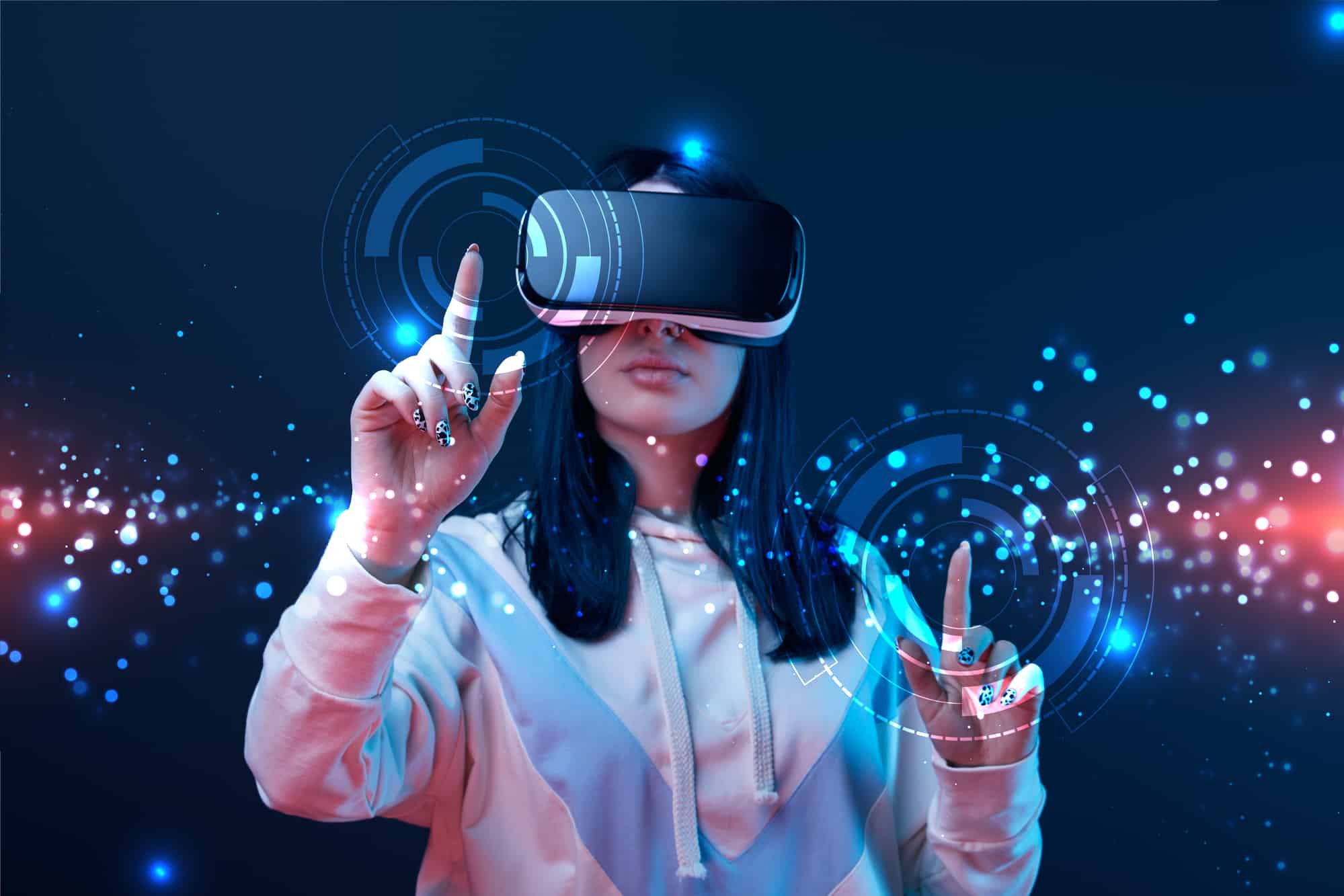
Moreover, the concept of virtual reality has taken significant strides from its fictional roots, seen in works like Ernest Cline's Ready Player One. Today’s headsets, such as the Oculus Rift and PlayStation VR, create immersive experiences that transport users to entirely new worlds. As technology continues to evolve, we can expect even more gadgets that draw on the limitless creativity of science fiction, merging innovation with imagination and propelling our lives into an exciting future.
Can We Trust AI? Understanding the Reality Behind Sci-Fi AI Portrayals
The portrayal of artificial intelligence (AI) in science fiction often evokes a mix of fascination and fear. Movies and books frequently depict AI as sentient beings capable of outsmarting humans, leading to a dystopian future. However, understanding the reality behind these sci-fi portrayals is crucial to realizing what AI can and cannot do today. In reality, most AI systems are designed to perform specific tasks, such as data analysis or language processing, rather than exhibiting the general intelligence or emotional depth seen in fictional interpretations.
Despite the hype and concerns surrounding AI, we must remember that it is ultimately a tool crafted by human hands. Can we trust AI? The answer lies in how transparently it operates and the ethical guidelines established to govern its use. By focusing on responsible development and implementation, we can leverage AI's potential benefits while minimizing risks, facilitating a future where humans and AI coexist harmoniously rather than antagonistically.