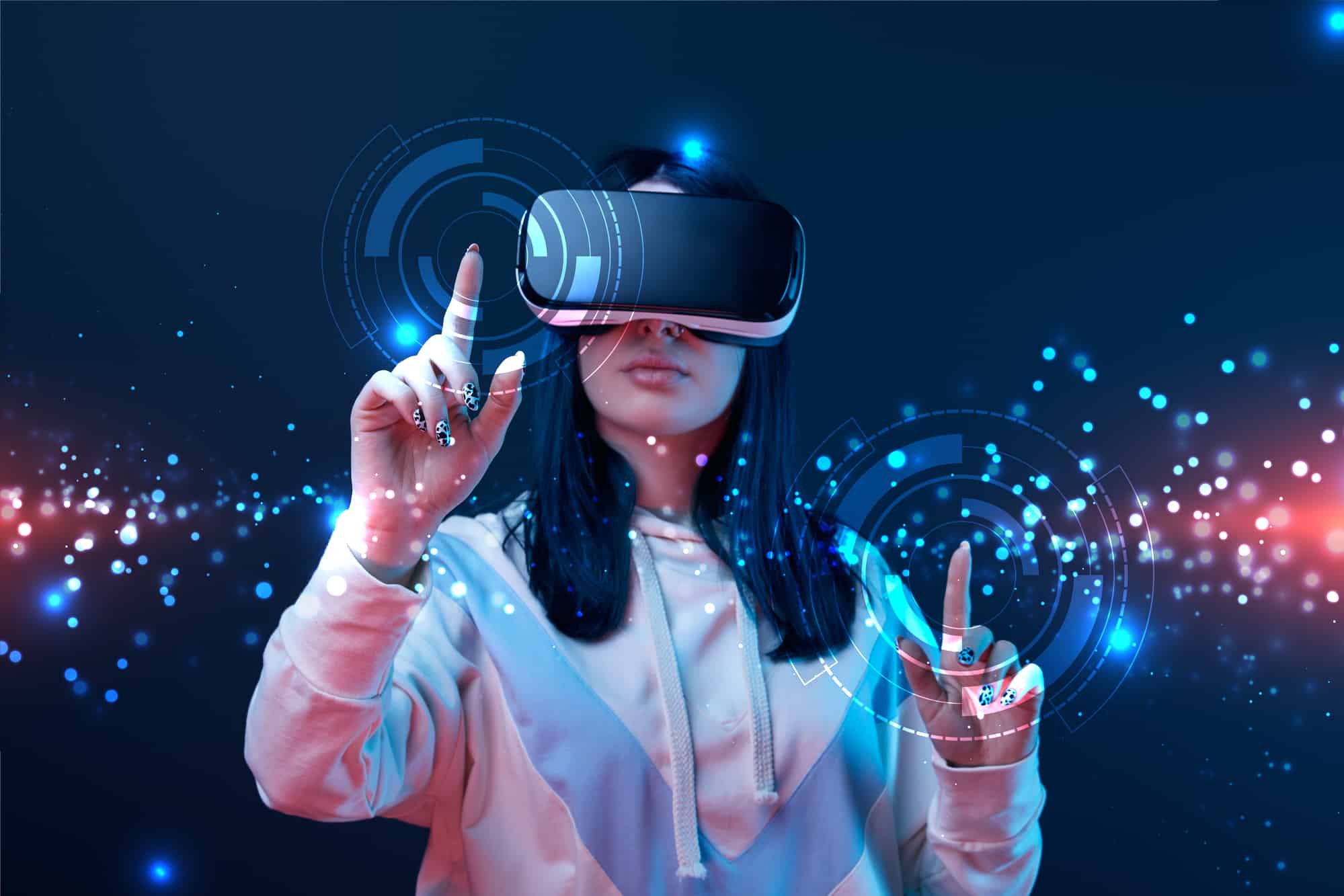
How Smart Home Devices Are Transforming Our Daily Lives
Smart home devices are rapidly reshaping the way we live, making our daily routines more efficient and convenient. From smart speakers and lighting systems to advanced security cameras, these technologies not only enhance comfort but also contribute to energy savings and home security. For instance, voice-activated assistants allow users to control various aspects of their home with simple voice commands, streamlining tasks that once required multiple steps. Imagine walking into your living room and having the lights adjust automatically, your favorite music playing in the background, and the thermostat set to your ideal temperature—all because of a few spoken words.
Moreover, the integration of smart home devices into our daily lives offers significant benefits for families, individuals, and even the environment. With the capability to monitor energy consumption and identify inefficiencies, users can drastically reduce their energy bills while contributing to a greener planet. Smart appliances like refrigerators and washing machines can be programmed to operate during off-peak hours, minimizing energy usage and costs. As these technologies continue to evolve, it's clear that they are not only transforming our homes but also paving the way for a more connected, efficient, and sustainable future.
Counter-Strike is a highly popular first-person shooter game that has shaped the landscape of competitive gaming. Players are divided into two teams, terrorists and counter-terrorists, each with specific objectives to achieve. For gamers looking for enhanced gameplay, you might want to check out the Top 10 Bluetooth Tablet Keyboards to improve your control and precision. Its tactical gameplay, teamwork, and strategic depth have made it a favorite among esports enthusiasts worldwide.
The Impact of Wearable Technology on Health and Wellness
Wearable technology has revolutionized the way we approach health and wellness, offering innovative solutions for tracking personal fitness and monitoring vital signs. Devices such as fitness trackers and smartwatches have become ubiquitous, providing users with real-time insights into their physical activity, heart rate, and sleep patterns. According to recent studies, people who regularly use wearable technology are more likely to set and achieve health-related goals. This democratization of health data not only empowers individuals but also fosters a culture of accountability and motivation.
The impact of wearable technology extends beyond individual health; it also influences broader healthcare trends. As wearables collect valuable data, healthcare providers can leverage this information for preventive care and chronic disease management. For instance, wearable devices can alert users to irregular heart rhythms, potentially preventing serious conditions such as stroke. Furthermore, integration with telemedicine platforms enhances the efficiency of healthcare delivery, making it easier for patients to engage with their providers remotely. In conclusion, the advancements in wearable technology are paving the way for a more proactive and data-driven approach to health and wellness.
Is Automation Making Our Lives Easier or More Complicated?
In recent years, automation has increasingly penetrated various aspects of our daily lives, from smart home devices that adjust our thermostats to advanced algorithms that manage our finances. Many people argue that this wave of technology has made our lives significantly easier by minimizing mundane tasks and allowing us to focus on more meaningful activities. For instance, with the click of a button, we can schedule our groceries for delivery or control our home’s lighting remotely, thereby freeing up time for family or personal projects. However, the rapid integration of these technologies also raises questions about our reliance on them, potentially making us less capable of handling basic tasks ourselves.
On the flip side, while automation simplifies certain functions, it can also introduce a set of complications that many overlook. With the increased use of technology comes a myriad of new challenges, such as privacy concerns, data breaches, and the constant need to keep up with emerging trends. As we become accustomed to these conveniences, many find themselves overwhelmed by the complexities involved in managing multiple devices and platforms. Additionally, reliance on automation can lead to diminished problem-solving skills, as individuals may no longer practice critical thinking in everyday situations. Therefore, the debate on whether automation is making our lives easier or more complicated remains ongoing.