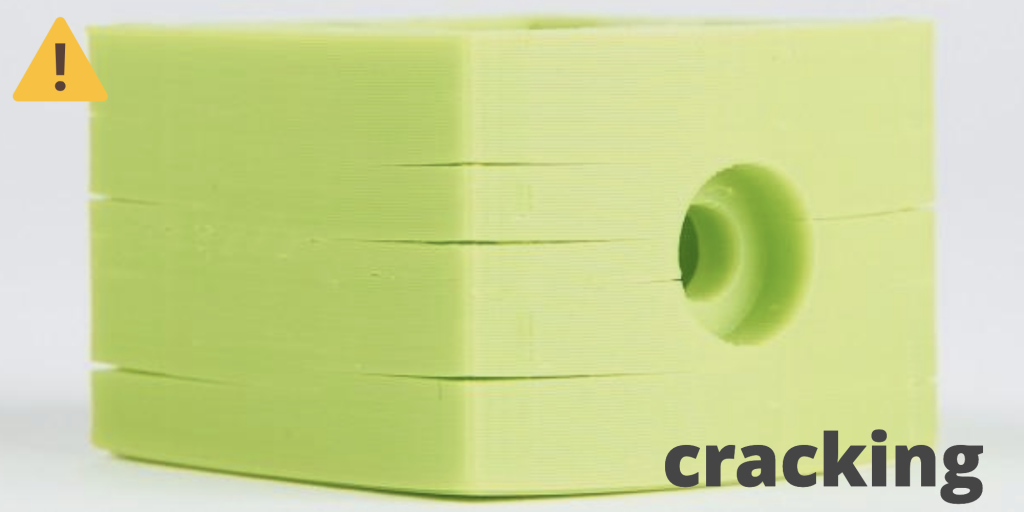
Understanding the Causes of Cracking: Key Factors to Consider
Understanding the causes of cracking is crucial for both homeowners and professionals in the construction industry. Cracking can occur for a variety of reasons, and identifying these factors is essential for effective remediation. Some of the key factors to consider include:
- Soil Movement: Expanding or contracting soil due to moisture changes can place immense pressure on structures.
- Temperature Variations: Fluctuations in temperature can cause materials to expand and contract, leading to cracks.
- Poor Construction Methods: Inadequate groundwork, improper mixing of materials, or lack of necessary reinforcements can compromise the integrity of a building.
Another significant factor in understanding cracking is wear and tear over time. As structures age, they experience wear from environmental factors and daily usage. Additionally, water intrusion can exacerbate existing cracks or create new ones, resulting in further damage. Regular maintenance and inspections can help detect early signs of cracking and address them before they escalate. By understanding these underlying causes, homeowners and builders can take proactive steps to prevent cracking and ensure the longevity of their structures.
If you're a fan of the legendary anime series, be sure to check out our one piece shop for a wide range of merchandise, including collectibles, apparel, and character figurines. From Straw Hat Pirates gear to Limited Edition items, there's something for every One Piece enthusiast!
Top 5 Techniques to Prevent Cracking in Your Prints
Preventing cracking in your prints is crucial for maintaining both the aesthetics and quality of your work. Here are the top 5 techniques to ensure your prints stay flawless:
- Use High-Quality Materials: Always choose top-grade inks and printing papers to minimize the risk of cracks. High-quality materials are designed to bond better and withstand the rigors of handling.
- Adjust Print Temperature: Print at the recommended temperatures to help the ink adhere properly. Extreme temperatures can lead to uneven drying and increase the likelihood of cracks.
Continuing with our list, the following techniques can further enhance the durability of your prints:
- Implement Proper Drying Techniques: Allow your prints ample time to dry in a controlled environment, away from direct sunlight and high humidity, to prevent stress on the material.
- Utilize a Flexible Medium: Opt for flexible inks and laminates that expand and contract without cracking. These materials can absorb small movements without compromising print integrity.
- Regular Maintenance of Equipment: Keep your printer in optimal condition by routinely cleaning and calibrating it. This prevents printing errors that could lead to uneven finishes and cracks in your prints.
Is Your Print Cracking? Common Myths and Effective Solutions
When it comes to print issues, one of the most prevalent concerns is print cracking. Many assume that it is an inevitable result of a low-quality print job or inferior materials, but that is merely one of several myths circulating in the community. Print cracking can also stem from improper curing techniques, environmental factors, or even the choice of ink and substrate. Among the common misconceptions is the idea that all printed materials will crack sooner or later if not handled properly. However, understanding the root causes can help mitigate the risk significantly. It's crucial to dispel these myths and educate yourself on how to maintain the integrity of your prints.
To address the issue of print cracking, implementing effective solutions is essential. Start by ensuring that you use high-quality inks and materials that are compatible with your printing process. Additionally, consider the following tips to keep your prints in top shape:
- Proper Curing: Make sure that your prints are adequately cured to avoid any premature cracking.
- Climate Control: Maintain a consistent temperature and humidity level in your workspace.
- Correct Handling: Use protective layers such as cellophane or cardboard when stacking prints.
By adhering to these practices, the chances of encountering print cracking can be significantly reduced, ensuring the longevity of your printed materials.