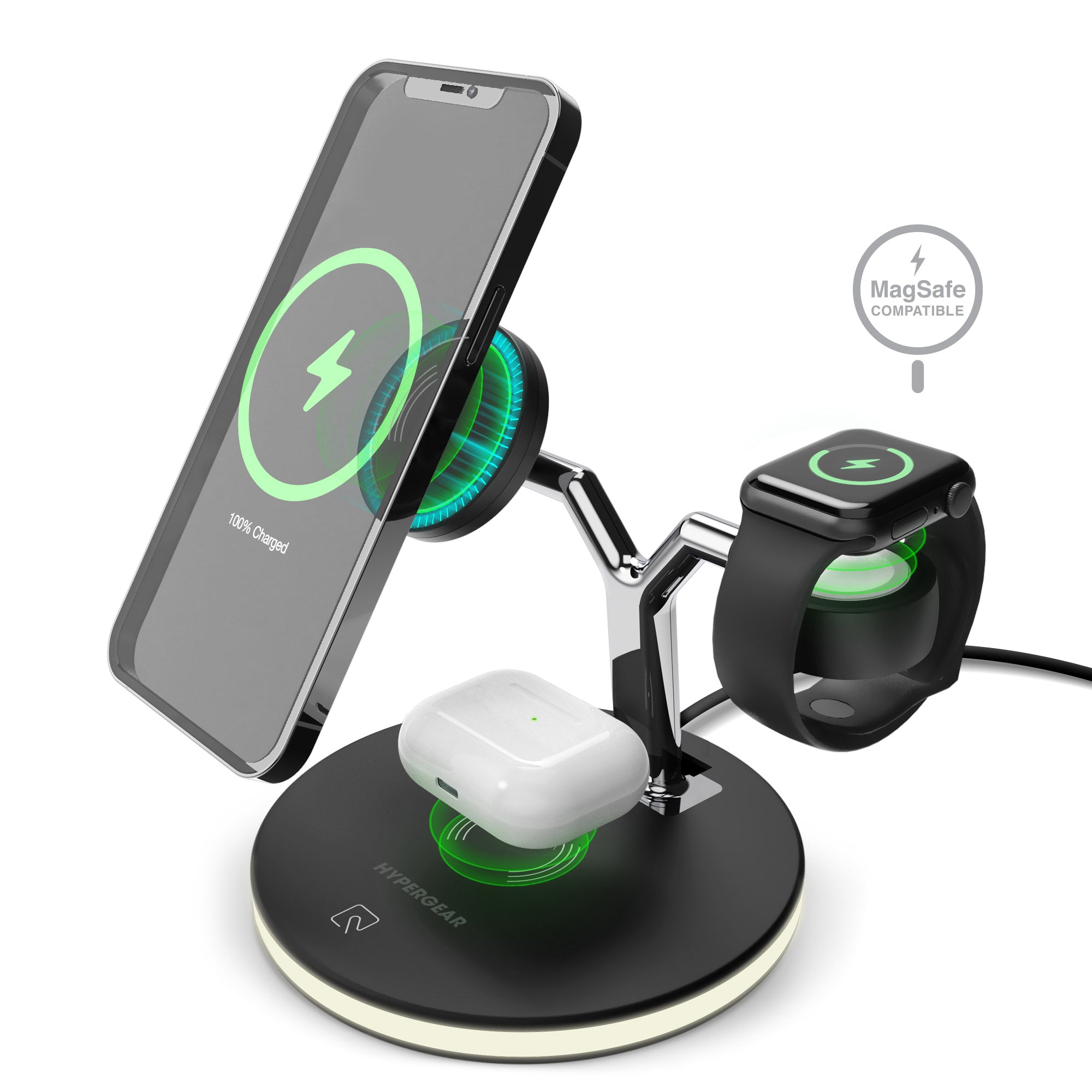
Exploring the Science Behind Wireless Charging: How Does It Work?
Wireless charging, often referred to as inductive charging, operates on the principle of electromagnetic induction. This method involves two main components: a transmitter and a receiver. The transmitter is embedded in the charging station and generates a fluctuating electromagnetic field using an alternating current. The receiver, located within the device (such as a smartphone or electric vehicle), captures this electromagnetic energy through a coil and converts it back into electrical energy, which charges the battery. This technology eliminates the need for physical connectors, making device charging cleaner and more convenient.
The process of wireless charging can be broken down into several distinct steps:
- Power Transfer: The transmitter generates an electromagnetic field.
- Induction: The receiver coil within the device picks up this field.
- Conversion: The received energy is converted into direct current (DC) to recharge the battery.
Despite its convenience, wireless charging typically offers lower efficiency compared to traditional wired methods, leading to longer charging times. As technology advances, improvements are being made in both efficiency and charging speeds, bringing us closer to a future where wireless charging becomes the standard.
Counter-Strike is a highly popular first-person shooter game that emphasizes teamwork and strategy. Players can choose between being terrorists or counter-terrorists, completing objectives or eliminating the opposing team. For those looking to enhance their gaming experience, it's essential to have the right gear, including accessories like the Top 10 magsafe chargers to keep your devices powered during intense gaming sessions.
The Future of Wireless Charging: Trends and Innovations to Watch For
The future of wireless charging is rapidly evolving, with several trends and innovations set to reshape how we power our devices. One of the most significant advancements is the move towards ultra-fast wireless charging, which aims to reduce charging times dramatically. Innovations such as resonant inductive charging and magnetic resonance technology enable energy transfer over greater distances, allowing multiple devices to charge simultaneously on a single pad. This shift towards ubiquitous charging infrastructure means that we might soon be able to charge our smartphones, laptops, and even electric vehicles wirelessly as we go about our day.
Moreover, the integration of wireless charging into everyday objects is also on the rise. We are beginning to see furniture, such as tables and desks, equipped with embedded charging pads, making it easier than ever to keep devices powered up without the hassle of cords. Additionally, the incorporation of IoT technology is set to revolutionize how we manage power consumption, providing data on charging efficiency and allowing for better energy distribution. As these innovations progress, consumers can expect a more seamless and convenient charging experience, solidifying wireless technology's place in our lives.
Is Wireless Charging Safe? Addressing Common Concerns
Wireless charging technology has gained popularity due to its convenience and ease of use, but many users still wonder, is wireless charging safe? Safety concerns primarily revolve around the efficiency of the charging process and the potential impact on device longevity. Manufacturers design wireless chargers to meet strict safety standards, ensuring that they use low levels of electromagnetic fields and avoid overheating. In fact, most modern devices are equipped with built-in mechanisms that prevent overcharging and overheating, significantly reducing the risks associated with wireless charging.
Another common concern is whether wireless charging can cause harm to health or create interference with other electronic devices. Research shows that the levels of electromagnetic radiation emitted by wireless chargers are considerably lower than those from conventional chargers and well below the limits set by authoritative health organizations. Thus, the consensus among experts is that wireless charging is safe for everyday use. To maximize safety, it's advisable to use quality chargers from reputable brands and follow the manufacturer's guidelines for usage.