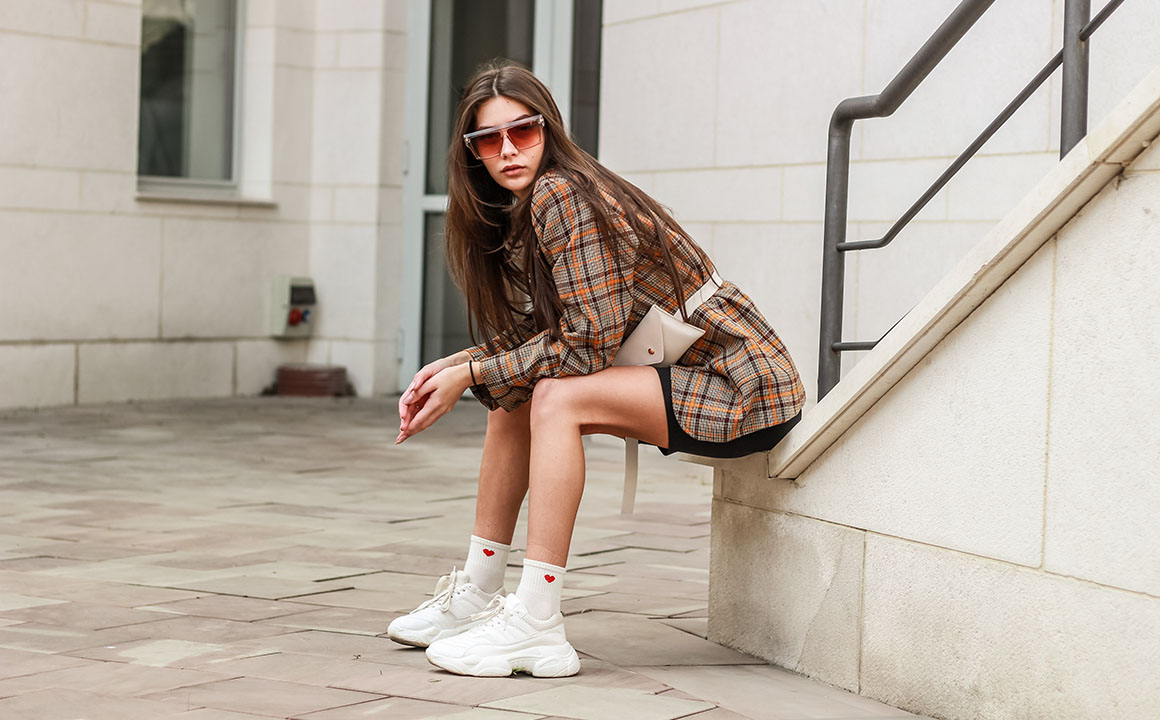
The Psychology of Fashion: How Your Wardrobe Reflects Your Personality
The psychology of fashion delves into the intricate relationship between what we wear and how we perceive ourselves and others. Our wardrobe choices often serve as a reflection of our personality, showcasing our values, lifestyle, and even our emotional state. For instance, individuals who prefer bright colors and bold patterns may be perceived as extroverted and confident, while those opting for muted tones might be seen as more reserved and introspective. Understanding these connections can help us express our identity more authentically through clothing.
Moreover, fashion has the power to influence our behavior and mindset. A study by psychologists has shown that wearing tailored clothing can enhance cognitive processes, thus reinforcing the idea that our wardrobe reflects our personality not only visually but also functionally. By dressing in a way that aligns with our self-image, we can boost our self-esteem and influence how we interact with the world. In this way, fashion serves as a tool for self-expression and an essential aspect of our psychological well-being.
Counter-Strike is a highly popular tactical first-person shooter game that emphasizes teamwork and strategy. Players can choose to be either terrorists or counter-terrorists, with the objective of completing specific missions or eliminating the opposing team. For those looking to enhance their productivity at work, check out the Top 10 Apple Watch Accessories for the Office. The game has evolved through various iterations, including Counter-Strike: Global Offensive, which remains a staple in both casual and competitive gaming scenes.
10 Wardrobe Essentials That Speak Volumes About You
When it comes to personal style, your wardrobe can say a lot about who you are. Here are 10 wardrobe essentials that not only enhance your appearance but also communicate your personality to the world:
- The Classic White Shirt: This timeless piece is perfect for any occasion, showcasing sophistication and versatility.
- A Tailored Blazer: Adds structure to any outfit, indicating professionalism and confidence.
- Dark Denim Jeans: A staple that balances comfort and chic, reflecting a casual yet stylish approach.
- Statement Sneakers: Show your playful side while prioritizing comfort and practicality.
- A Little Black Dress: The ultimate symbol of elegance and femininity, ideal for any formal event.
Continuing with essentials that express your individuality, consider these standout items:
- A Versatile Maxi Skirt: Perfect for various styles, this piece can embody bohemian vibes or refined elegance.
- Stylish Ankle Boots: Convey an edgy aesthetic while maintaining comfort for daily wear.
- A Crisp Trench Coat: Offers a layer of sophistication and protection against the elements, making a strong statement.
- Accessorized Handbag: Reflects personal taste and practicality, showcasing your attention to detail.
- Unique Jewelry Pieces: Highlight your individuality and add character to even the simplest outfits.
What Does Your Outfit Say About Your Mood and Mindset?
Clothing serves as a silent yet powerful form of expression, often reflecting our mood and mindset in subtle ways. For instance, when you're feeling upbeat and confident, you might gravitate towards vibrant colors, bold patterns, or trendy styles that mirror that emotional elevation. On the other hand, if you're in a more subdued or reflective mood, you might choose neutral tones or comfortable fabrics that evoke a sense of calm and relaxation. As fashion psychologist Dr. Dawnn Karen suggests, 'Your outfit can act as a mirror to your inner self, showcasing your current feelings and state of mind.'
Moreover, the concept of enclothed cognition plays a crucial role in how our outfits influence our mindset. Research has shown that wearing certain clothes can enhance mental performance and emotional well-being. For example, putting on a tailored suit may imbue you with a sense of authority and seriousness, while sporting casual wear can promote feelings of comfort and openness. To better illustrate this connection, consider how people often dress up for significant events like interviews or presentations to not only look the part but also to embody the confidence and competence those situations require.