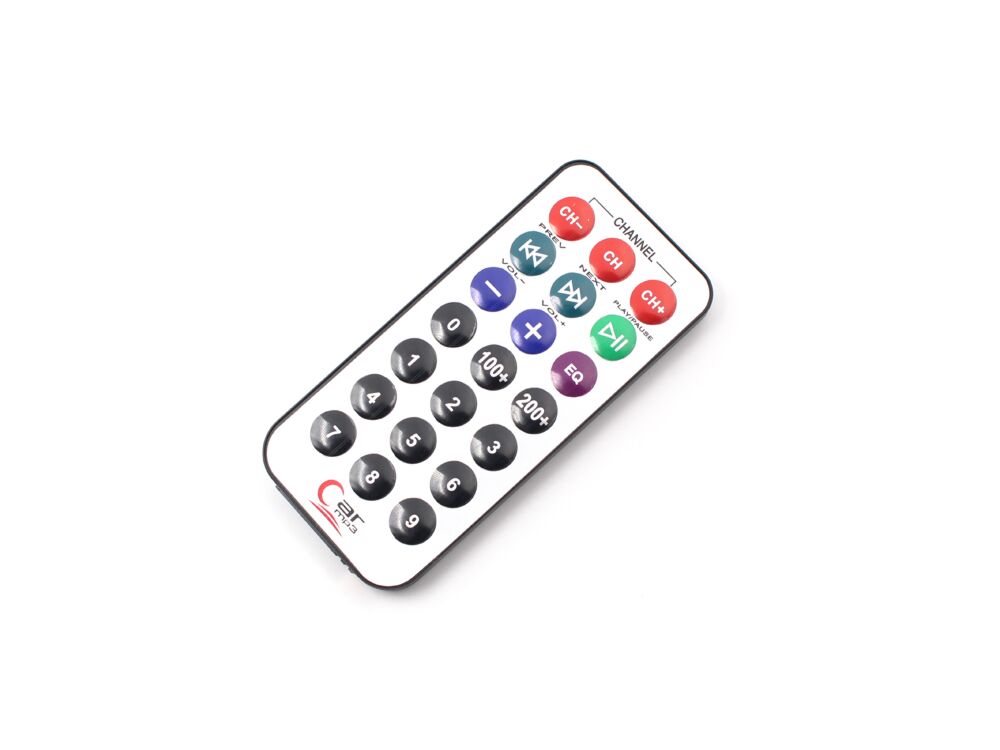
The Evolution of the Remote Control: How We Landed from TV Clickers to Smart Home Command Centers
The history of the remote control can be traced back to the 1950s, when the first TV clickers emerged, allowing viewers to switch channels without leaving their seats. The initial models, such as the Zenith Lazy Bones, were simple devices connected to the television by a cord, providing a taste of convenience that would soon evolve. By the 1970s, infrared technology changed the game, freeing users from the constraints of wires and introducing the first true wireless remotes. This marked the beginning of the remote’s evolution from a mere channel-changing device to an essential accessory in every household.
Fast forward to the 21st century, and the remote control has undergone a remarkable transformation, culminating in what we now refer to as smart home command centers. Today's remotes not only control television sets but are also integrated with various home ecosystem devices, allowing users to manage lighting, temperature, and security systems from a single interface. With the advent of voice-activated technology and AI assistants like Amazon Alexa and Google Assistant, the remote has become even more powerful and intuitive, making it a central hub for modern smart homes. As technology continues to advance, one can only imagine how the remote will further evolve in the future.
Counter-Strike is a highly popular tactical first-person shooter game that pits teams of terrorists against counter-terrorists in various objective-based scenarios. Its strategic gameplay, combined with fast-paced action, has made it a staple in competitive gaming. Players often seek various accessories to enhance their gaming experience, including the Top 10 iPad Accessories for Remote Work to ensure they have the best tools while playing on the go.
Top 10 Smart Devices You Can Control with a Single Remote
In today's fast-paced world, smart devices have become an integral part of our daily lives, enhancing convenience and efficiency. The ability to control multiple devices with a single remote not only simplifies the user experience but also minimizes clutter and complexity. Here’s a list of the top 10 smart devices that can be seamlessly managed with one remote:
- Smart TVs
- Smart Speakers
- Smart Lights
- Streaming Devices
- Smart Thermostats
- Smart Plugs
- Smart Security Cameras
- Smart Door Locks
- Smart Home Hubs
- Smart Appliances
With these smart devices at your disposal, you can create a fully integrated home environment. Imagine adjusting your lights, temperature, and audio system without fumbling with multiple remotes!
How Remote Controls are Shaping the Future of Home Automation
The rise of remote controls is revolutionizing the way we interact with home automation systems. As smart home devices become increasingly popular, the remote control is transitioning from a simple device to a central hub that enables seamless communication across various technologies. With the integration of voice commands, touch interfaces, and mobile applications, users can manage lighting, heating, and security features from a distance, creating a streamlined and efficient living environment. This evolution not only enhances convenience but also promotes energy efficiency, making homes smarter and more adaptable to the lifestyles of the future.
Moreover, the capabilities of remote controls are expanding beyond traditional functions. Many modern remote devices are equipped with artificial intelligence that allows for personalized automation, learning from user preferences to optimize daily routines. These advancements pave the way for features such as scheduling, automated alerts, and even predictive maintenance for household appliances. As the demand for integrated living spaces rises, the role of remote controls in shaping a smart home future becomes increasingly significant, allowing users to create a tailored environment that reflects their unique needs.