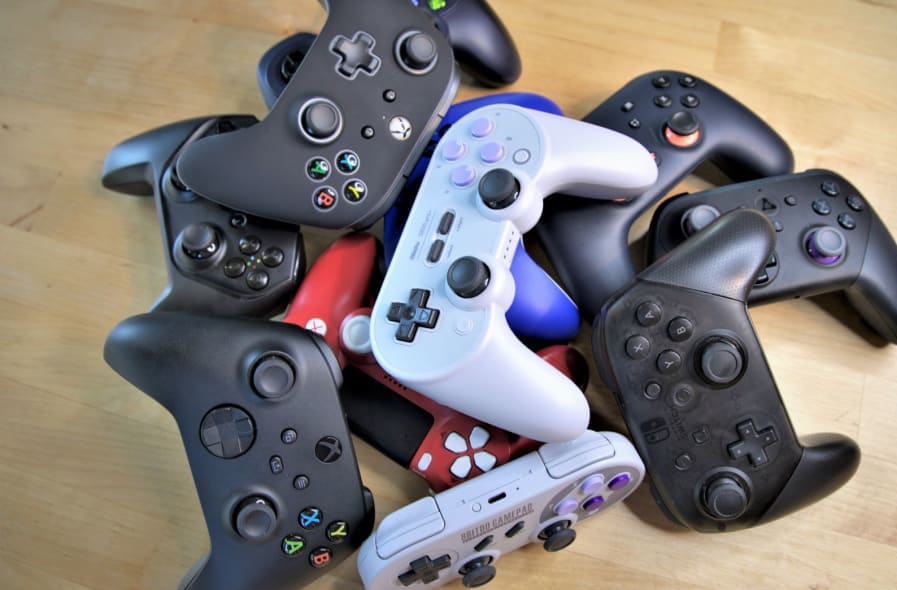
The Evolution of Gaming Controllers: From Simple Joysticks to High-Tech Powerhouses
Gaming controllers have evolved tremendously since their inception, transitioning from simple joysticks to sophisticated devices that are integral to the user experience. In the early days of gaming, controllers typically featured a basic layout with a few buttons and a joystick, exemplified by the iconic Atari 2600 controller. As technology advanced, so did the functionality of gaming controllers, leading to the introduction of triggers, bumpers, and multiple analog sticks. The 1990s saw the emergence of designs like the Sony PlayStation controller, which combined ergonomic design with innovative features, setting a new standard for the industry.
Today, gaming controllers are high-tech powerhouses that cater to a diverse range of gaming styles and preferences. Modern controllers boast features such as adaptive triggers, haptic feedback, and customizable button layouts, allowing gamers to tailor their play experience in unprecedented ways. Manufacturers are also embracing connectivity and compatibility, with many controllers supporting wireless connections and cross-platform functionality. As we look to the future, the integration of artificial intelligence and biometric technology may take gaming controllers even further, potentially revolutionizing how gamers interact with virtual worlds.
Counter-Strike is a popular multiplayer first-person shooter that pits teams of terrorists against counter-terrorists in various game modes. Its strategic gameplay, teamwork, and competitive scene have made it a staple in the esports community. If you're looking to enhance your gaming experience, check out our Top 10 apple tv gaming controllers for better control and performance.
How Gaming Controllers Enhance Immersion and Accessibility in Gaming
Gaming controllers have revolutionized the way players interact with their favorite games, significantly enhancing immersion through tactile feedback and ergonomic design. The latest controllers come equipped with advanced features such as force feedback, adaptive triggers, and motion sensors, allowing players to feel every explosion and movement. For instance, the DualSense controller for the PlayStation 5 offers haptic feedback that creates a more realistic gaming experience, making players feel as though they are truly part of the game. This level of detail stimulates the senses and pulls gamers deeper into the virtual world, creating an unparalleled sense of realism.
Moreover, gaming controllers also promote accessibility, breaking down barriers for players with disabilities. Many controllers now feature customizable buttons and layouts that can be tailored to meet individual needs. For example, the Xbox Adaptive Controller is designed specifically for gamers with limited mobility, offering various input options and the ability to connect to other devices. This inclusive approach not only makes gaming more accessible but also fosters a sense of community, allowing everyone to enjoy the immersive experiences gaming has to offer.
Are Gaming Controllers the Key to Unlocking Your Full Gaming Potential?
When it comes to maximizing your gaming experience, gaming controllers can be the key to unlocking your full gaming potential. Unlike traditional keyboard and mouse setups, controllers offer a more ergonomic grip and intuitive design that can significantly enhance your response times. With features like customizable buttons and built-in vibration feedback, players can fully immerse themselves in their virtual worlds. Furthermore, many gaming controllers now come equipped with advanced technology such as motion sensing and haptic feedback, allowing for a more nuanced interaction with the game.
Choosing the right gaming controller is essential to tailoring your gameplay to fit your style. For instance, competitive gamers often prefer controllers that offer faster response times and programmable buttons for quick access to in-game actions. Consider the following factors when selecting a controller that best suits you:
- Ergonomics: How comfortable the controller feels during long gameplay sessions.
- Compatibility: Ensuring that the controller works seamlessly with your gaming platform.
- Customization: The ability to remap buttons and adjust settings for a personalized experience.